Types of skin
According to the American Academy of Dermatology (AAD), there are five primary types of skin: oily, dry, normal, combination, and sensitive. Each skin type has its own set of unique characteristics and needs that can affect the look and feel of your complexion.now for you to know the type of skin you are am going to explain this types of skin in details⬇️
Normal type of skin:
Normal skin is a skin type that is well-balanced, with a healthy complexion and minimal imperfections. It’s not too oily nor too dry, and it generally looks smooth, plump, and radiant. If you have normal skin, you may not experience many skin concerns or issues, but it’s still important to maintain a consistent skincare routine to keep your skin healthy and glowing.
Here are some products that are best for normal skin:
1. Cleanser: A gentle, non-irritating cleanser is ideal for normal skin. Look for a formula that is balanced and doesn’t strip your skin of its natural oils. A foaming or gel cleanser is often a good choice for normal skin types.
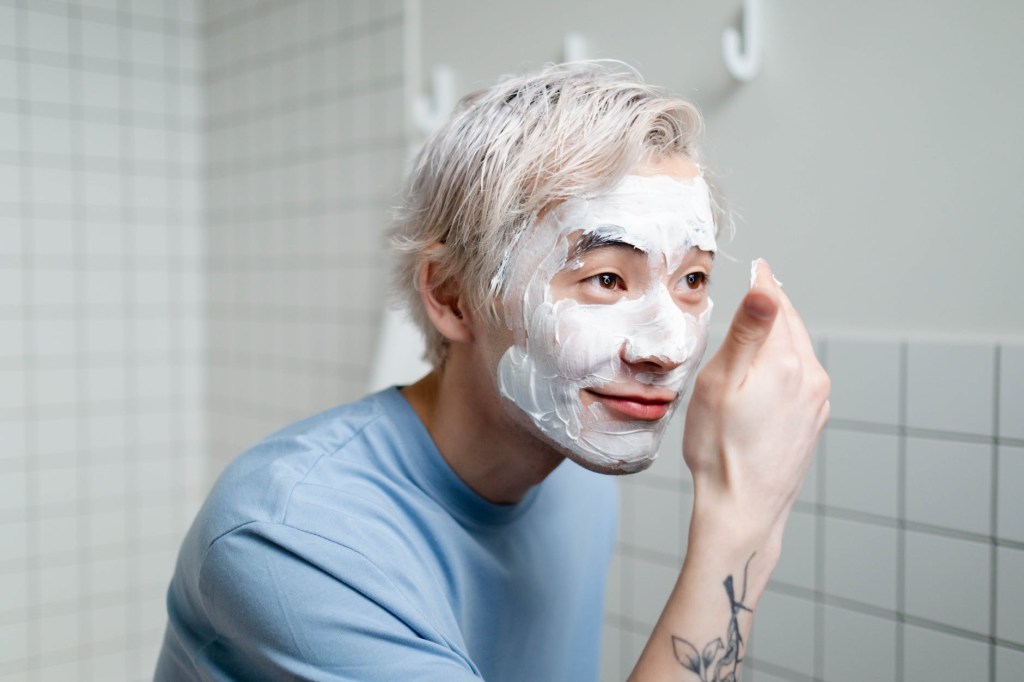
2. Toner: A toner can help remove any remaining traces of dirt, oil, or makeup, and can also help balance your skin’s pH levels. Look for a toner that is alcohol-free and contains soothing ingredients like chamomile or aloe vera.
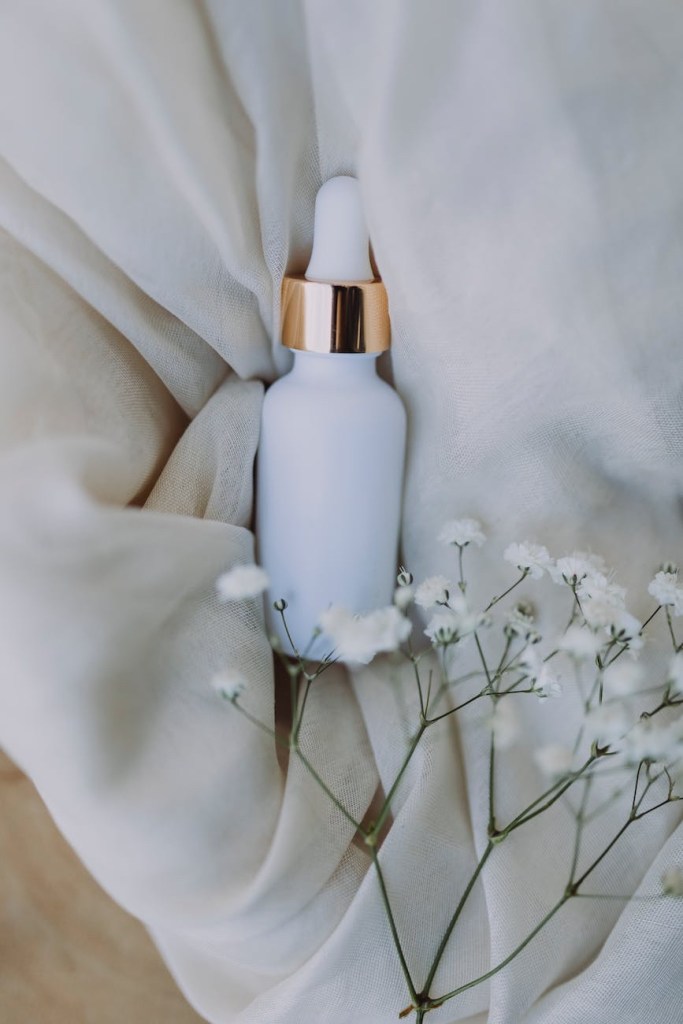
3. Moisturizer: Even if you have normal skin, it’s important to keep it hydrated. Look for a lightweight, non-greasy moisturizer that contains ingredients like hyaluronic acid or glycerin to help lock in moisture.

4. Sunscreen: Protecting your skin from the sun is important for maintaining its health and preventing premature aging. Look for a broad-spectrum sunscreen with an SPF of 30 or higher, and apply it every day, even on cloudy days.
5. Exfoliator: Exfoliating once or twice a week can help remove dead skin cells and keep your skin looking bright and smooth. Look for a gentle exfoliator with small particles, like sugar or rice bran, to avoid irritating your skin.
Remember, everyone’s skin is unique, so it’s important to choose products that work best for you. If you have normal skin, be sure to maintain a consistent skincare routine and pay attention to how your skin reacts to certain products. With the right products and care, you can keep your normal skin looking healthy and radiant.
Oily skin type:
Oily skin is a skin type characterized by an overproduction of sebum, the skin’s natural oil. People with oily skin often have shiny, greasy-looking skin, and are more prone to acne, blackheads, and other blemishes. The good news is that with the right skincare routine, it’s possible to manage oily skin and keep it looking healthy and clear.
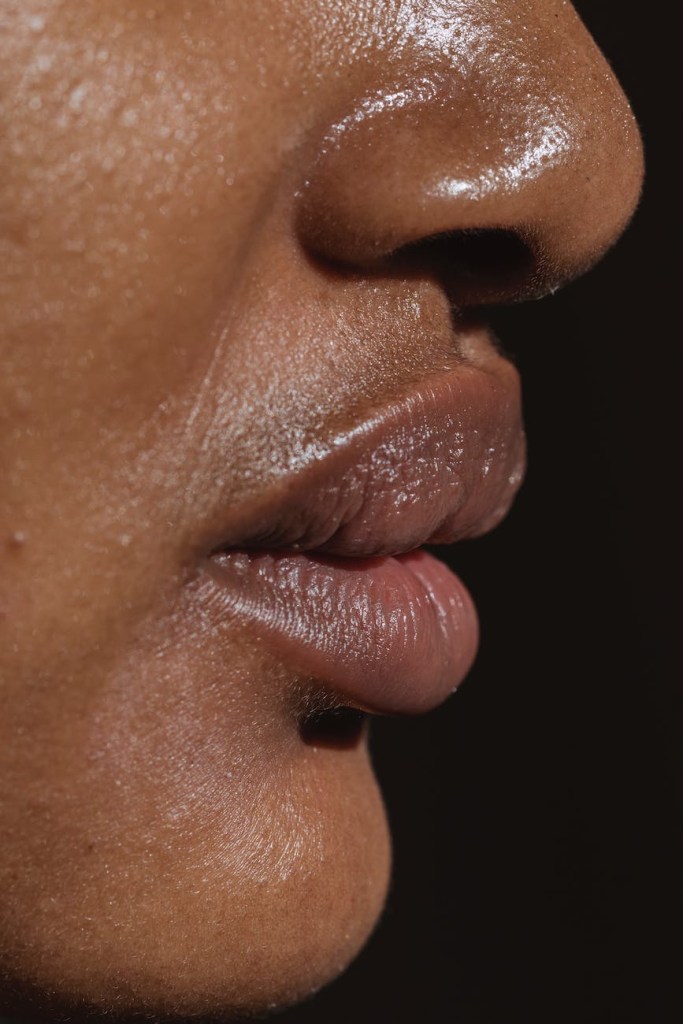
Here are some products that are best for oily skin:
- Cleanser: A gel or foaming cleanser can help remove excess oil without stripping the skin of its natural moisture. Look for a cleanser that contains salicylic acid or benzoyl peroxide, which can help unclog pores and reduce acne.
- Toner: A toner can help remove any remaining traces of oil and dirt, and can also help balance your skin’s pH levels. Look for a toner that contains alpha hydroxy acids (AHAs), which can help exfoliate the skin and keep it looking bright and clear.
- Moisturizer: Even if you have oily skin, it’s important to keep it hydrated. Look for a lightweight, oil-free moisturizer that won’t clog your pores. Look for a moisturizer that contains ingredients like hyaluronic acid or glycerin to help lock in moisture without adding excess oil.
- Sunscreen: Protecting your skin from the sun is important for maintaining its health and preventing premature aging. Look for a broad-spectrum sunscreen with an SPF of 30 or higher, and choose a lightweight, oil-free formula that won’t make your skin feel greasy or shiny.
- Clay mask: A clay mask can help absorb excess oil and impurities from the skin, and can also help reduce the appearance of pores. Look for a mask that contains kaolin or bentonite clay, and use it once or twice a week.
Remember, everyone’s skin is unique, so it’s important to choose products that work best for you. If you have oily skin, be sure to maintain a consistent skincare routine and pay attention to how your skin reacts to certain products. With the right products and care, you can keep your oily skin looking healthy and clear.
Dry /dehydrated skin type:
Dry skin can be caused by a variety of factors, including genetics, age, environment, and lifestyle. Some common symptoms of dry skin include itching, flaking, tightness, and roughness. Fortunately, there are many products available that can help alleviate these symptoms and restore moisture to the skin.
When it comes to choosing the best product for dry skin, it’s important to look for ingredients that can help hydrate and nourish the skin. Some effective ingredients include:
- Hyaluronic acid: This natural substance helps to bind water to the skin, providing hydration and plumpness.
- Ceramides: These are lipids that help to strengthen the skin’s barrier and prevent moisture loss.
- Glycerin: This humectant draws water from the air into the skin, helping to keep it hydrated.
- Oils: Natural oils like jojoba, argan, and rosehip can help to moisturize and nourish the skin.
- Shea butter: This natural ingredient is rich in vitamins and fatty acids that can help to soothe and hydrate dry skin.
Some products that may be helpful for dry skin include:
- Moisturizers: Look for a rich, emollient moisturizer that contains some of the ingredients listed above. Apply it to your skin after showering or bathing, when your skin is still damp.
- Body oils: Natural oils like coconut, almond, and jojoba can help to lock in moisture and nourish dry skin.
- Humidifiers: If you live in a dry climate or spend a lot of time in air-conditioned or heated environments, using a humidifier can help to add moisture to the air and prevent your skin from drying out.
- Gentle cleansers: Avoid using harsh soaps or cleansers that can strip the skin of its natural oils. Look for a gentle, pH-balanced cleanser that can help to cleanse the skin without causing dryness or irritation.
It’s important to note that everyone’s skin is different, so what works for one person may not work for another. If you have severe or persistent dry skin, it’s a good idea to consult with a dermatologist to determine the underlying cause and develop a personalized treatment plan.
Acne prone type of skin:
Acne-prone skin can be frustrating to deal with, but there are many products available that can help prevent and treat breakouts. When choosing products for acne-prone skin, it’s important to look for ingredients that can help unclog pores, reduce inflammation, and control oil production. Some effective ingredients include:
- Salicylic acid: This beta hydroxy acid helps to unclog pores and exfoliate the skin, preventing the buildup of dead skin cells that can contribute to breakouts.
- Benzoyl peroxide: This topical ingredient helps to kill the bacteria that can cause acne, as well as reduce inflammation and unclog pores.
- Retinoids: These vitamin A derivatives can help to regulate skin cell turnover, preventing the buildup of dead skin cells and reducing the formation of acne.
- Tea tree oil: This natural ingredient has antimicrobial properties that can help to kill the bacteria that can cause acne.
- Niacinamide: This form of vitamin B3 can help to reduce inflammation and regulate oil production.
Some products that may be helpful for acne-prone skin include:
- Cleansers: Look for a gentle, non-comedogenic cleanser that contains salicylic acid or benzoyl peroxide. Avoid using harsh scrubs or exfoliators that can irritate the skin.
- Spot treatments: If you have an active breakout, a spot treatment containing benzoyl peroxide or salicylic acid can help to reduce inflammation and dry out the pimple.
- Moisturizers: Even if you have oily skin, it’s important to moisturize to prevent your skin from overproducing oil. Look for a lightweight, oil-free moisturizer that won’t clog pores.
- Sunscreen: Many acne treatments can make your skin more sensitive to the sun, so it’s important to wear a broad-spectrum sunscreen with an SPF of 30 or higher.
- Makeup: If you wear makeup, look for non-comedogenic products that won’t clog pores. Mineral makeup can be a good choice for acne-prone skin, as it contains natural ingredients that can help to absorb oil and prevent breakouts.
Remember that consistency is key when it comes to treating acne-prone skin. It may take several weeks or even months to see results, so be patient and stick with your skincare routine. If you have severe or persistent acne, it’s a good idea to consult with a dermatologist to determine the underlying cause and develop a personalized treatment plan.
Combine skin type:
Combination skin can be challenging to care for because it’s both oily and dry in different areas. Typically, the T-zone (forehead, nose, and chin) is oily, while the cheeks and other areas may be dry or normal. When choosing products for combination skin, it’s important to look for products that can address both the oily and dry areas without exacerbating either.
Some effective products for combination skin include:
- Gel cleansers: Gel cleansers are a good choice for combination skin because they can help to remove excess oil from the T-zone without over-drying the rest of the face. Look for a gentle, pH-balanced formula that won’t strip the skin of its natural oils.
- Lightweight moisturizers: Look for a lightweight, oil-free moisturizer that can hydrate the dry areas of your face without making the oily areas feel greasy. Some moisturizers specifically marketed for combination skin contain ingredients like hyaluronic acid and ceramides that can help to balance the skin.
- Clay masks: Clay masks can be helpful for combination skin because they can help to draw out excess oil and impurities from the T-zone while leaving the rest of the face hydrated. Look for a mask that contains ingredients like kaolin or bentonite clay.
- Exfoliants: Exfoliating regularly can help to remove dead skin cells and prevent clogged pores, which can contribute to breakouts in the oily areas. Look for a gentle chemical exfoliant containing alpha-hydroxy acids (AHAs) or beta-hydroxy acids (BHAs) that can help to unclog pores without over-drying the skin.
- Sunscreen: It’s important to protect your skin from the sun, even if you have combination skin. Look for a lightweight, non-greasy sunscreen that won’t clog pores or make the oily areas feel greasy.
Remember that everyone’s skin is different, so what works for one person may not work for another. If you have specific concerns about your combination skin, it’s a good idea to consult with a dermatologist to determine the best course of treatment.
Sensitive skin type
Sensitive skin is a common skin type that is easily irritated by various factors, including certain skincare products, environmental factors, and even stress. It’s important for people with sensitive skin to choose skincare products that are gentle and non-irritating.
When looking for skincare products for sensitive skin, it’s best to choose products that are fragrance-free and contain minimal ingredients. Look for products labeled “hypoallergenic” or “for sensitive skin.” These products are formulated to be gentle and non-irritating.
Avoid products that contain alcohol, fragrances, and harsh chemicals, as these can irritate sensitive skin. Instead, look for products that contain natural ingredients like aloe vera, chamomile, and oatmeal, which can help soothe and calm the skin.
It’s also important to patch test any new products before using them on your entire face to check for any adverse reactions. If you experience any redness, itching, or irritation, stop using the product immediately and consult with a dermatologist.

















































 Site Title