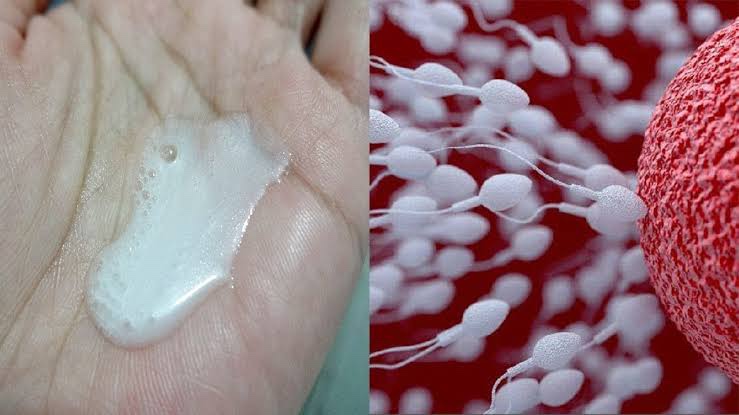
Introduction
What is a sperm ?
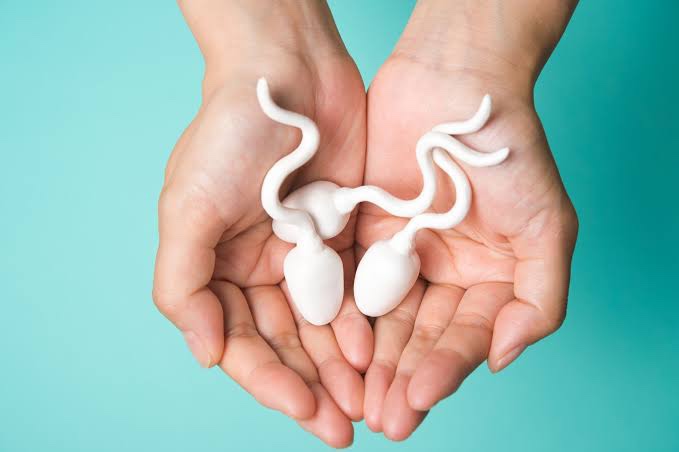
A sperm is a male reproductive cell that is involved in sexual reproduction. It is typically a small, motile cell that is produced in the testes of a male organism. During sexual intercourse, millions of sperms are released into the female reproductive tract, and one of them may fertilize an egg to initiate the process of pregnancy. Sperm cells are characterized by a small head region that contains the genetic material, and a long and streamlined tail that allows them to move through the reproductive tract.
Mechanism of sperm motility
The mechanism of sperm motility is driven by the coordinated activity of the tail or flagellum. The flagellum contains contractile proteins, such as dynein, that generate rhythmic waves of movement, which propel the sperm forward. The head of the sperm also contains enzymes that help it penetrate the layers surrounding the egg during fertilization. Additionally, the plasma membrane of the tail contains ion channels and pumps that regulate the concentrations of sodium, potassium, and calcium ions, which are involved in regulating the speed and direction of movement. Overall, the complex interplay of biochemical and biophysical forces allows sperm to move effectively towards the egg for fertilization.
Main causes of low sperm motility

AGING :

As a person ages, there can be a decline in overall health and functional ability, including the cells within the body. When it comes to sperm motility, aging can have a negative impact on the ability of the sperm cells to move effectively. This is due in part to the oxidative stress that accumulates within the cells over time, which can damage their DNA and disrupt their ability to function normally.
Hormonal imbalance:
Hormonal imbalance can have significant effects on the motility of dorms, which are the specialized cells responsible for the movement of male gametes (sperm) in the male reproductive system. Hormonal imbalances can both directly and indirectly affect the function of dorms, leading to impaired motility and reduced fertility.
Overall, the decline in sperm motility is a natural part of the aging process and can impact fertility in older men. While there is no guaranteed way to prevent this decline, maintaining a healthy lifestyle and minimizing exposure.
One of the primary hormones responsible for the regulation of dorm motility is testosterone, which is produced by the testes. Testosterone acts on the dorms to increase their motility, allowing them to move efficiently through the male reproductive tract and ultimately reach and fertilize the female egg. However, when testosterone levels are too high or too low, this can disrupt dorm motility and lead to reduced fertility.
In addition to testosterone, other hormones can also affect dorm motility. For example, elevated levels of estrogen, which is primarily produced by the adrenal glands in men, can inhibit the activity of dorms and decrease their motility. This can occur in conditions such as obesity
Varicocele:
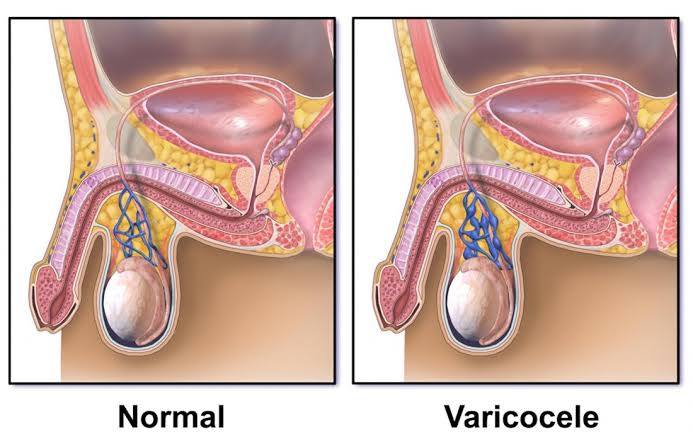
Varicocele is a medical condition caused by an abnormal enlargement of the veins in the scrotum. This condition is quite common in men and it often affects the quality of sperm. When varicocele occurs, the blood flow to the testicles is restricted, and this can lead to a temperature increase in the scrotum. As a result, the quality of the sperm reduces, leading to poor motility, morphology, and low sperm count.
The motility of sperm refers to their ability to move and swim in a forward direction, which is vital for successful fertilization. When varicocele affects the motility of sperm, it means that the sperm have trouble swimming up to the female reproductive tract to fertilize an egg. Studies have shown that men with varicoceles often have lower sperm motility compared to men without this condition.
The exact mechanism by which varicocele affects sperm motility is not fully understood, but it is thought to be due to the heat generated
Infection :
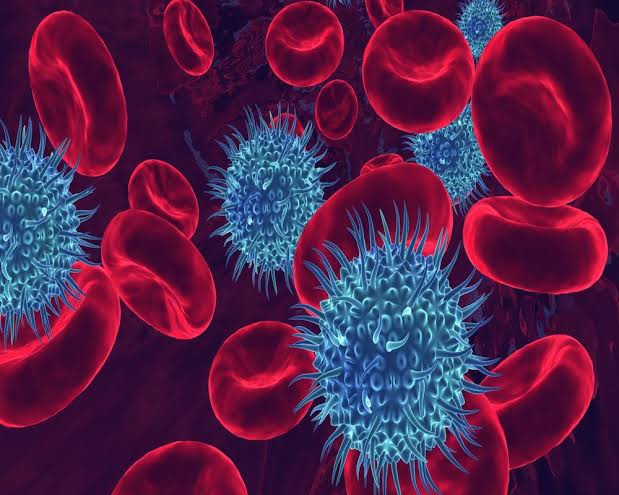
Infections can have a negative impact on sperm motility in men. The presence of an infection in the reproductive system can cause inflammation and damage to the sperm cells, leading to a reduction in their ability to move and swim properly.
Specifically, infections such as sexually transmitted diseases, prostatitis, and epididymitis can have a detrimental effect on sperm motility. These infections can cause blockages, scarring, and damage to the reproductive tract, which can interfere with the proper functioning of the testes, epididymis, and vas deferens.
In addition, infections can also lead to the production of reactive oxygen species (ROS) in the body, which can damage sperm cells by causing oxidative stress. ROS can attack the membranes of the sperm cells and DNA, which can impair their ability to move effectively.
Overall, infections can have a significant impact on sperm motility, which can ultimately affect male fertility. It is important for individuals to practice safe and healthy sexual behaviors,
Lifestyle :
Lifestyle factors Poor diet, lack of exercise, smoking, alcohol and drug use can all negatively impact sperm count.

Exposure to environmental toxins
Exposure to chemicals such as pesticides, herbicides, and heavy metals can also reduce sperm count.
Effective ways to boost the motility of sperm
Get 30-day weight loss healthy challenge e-book is designed to provide participants with a clear and effective plan to achieve their weight loss goals while also promoting their chances for sperm motility.

https://tinyurl.com/2p9e25cmPlease click the link to access the 30-Day Weight Loss Healthy Challenge:
For men who are concerned about their sperm motility, the e-book includes expert tips on improving fertility through diet and lifestyle changes. It offers valuable advice on which foods to eat and which to avoid in order to promote optimal sperm health and function.
Engage in regular exercise:

Engaging in regular exercise and maintain a healthy weight will improve your chance in sperm motility.
Avoid excessive drinking and smoking:

Excessive drinking or smoking can harm your overall health and contribute to poor sperm quality so avoiding it might increase your chance of getting fertile.
Reduce stress level:

High stress can impact the health of every sperm cells.stress needs to be manage properly by scheduling your activities your day to day jobs and avoiding exposure to polluted environments which when expose to, builds up free radicals and other dangerous toxins molecules in the body preventing the metabolic pathway of your body reducing the rate of hormonal production like testosterone and anhydrous hormones which might reduce the chances of sperm motility.
Get enough sleep:

Getting enough sleep mostly at night helps in ensuring optimal hormonal balance it also helps reduces stress hormone Like cortisol which is inverse to testosterone when stress hormone is triggered to produce more than normal it tends to reduce the production of sex hormones which might reduce your chances of being fertile .
Eat a healthy balanced diet

Creating healthy eating habit by balancing your diet will not only improve your chances to be more fertile but at the same time ameliorate your whole body health.
To get more tips on how to boost ur sperm count in just one month just click the link below 👇👇
Pls kindly input your data below 👇 to follow up with my latest update on reproductivity.


